Why an atlas, and not a textbook
A textbook explains a subject once, at one altitude. An atlas lets you choose your altitude — and come back to the same territory from a different one later.
The Atlas of World Models charts the field of learned world models — systems that predict, simulate, and plan by keeping a compressed internal model of how their environment behaves. Every territory in this atlas is explained at three altitudes: plain bearings anyone can follow, a surveyor's technical field notes for practitioners, and a brief written for whoever is deciding whether to invest in the expedition.
The curriculum arc — which territories exist and roughly what order they build on one another — was informed by CIS 6280, "World Models," taught by Jiatao Gu at the University of Pennsylvania. All explanatory text in this atlas is original; the course is credited as a map of the territory, not a source of copied text.
New territories are surveyed and added over time, in the spirit of The Notebook, this atlas's sibling publication.
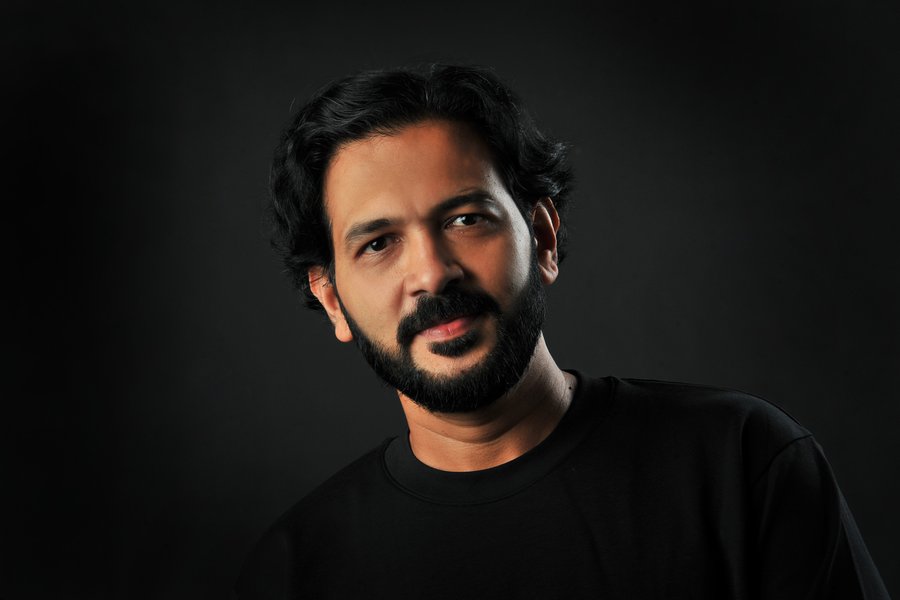
Fnu Ratnavarma (Varma)
Varma is an enterprise technology and utility-domain leader evolving into a practitioner-researcher focused on trustworthy, production-grade agentic AI. His current work centers on harness and context engineering, agent memory and continual learning, graph-based knowledge and execution architectures, and responsible, governed AI.
He is a member of IEEE and IET, reviews for Springer Nature's Discover Computing, and serves as a reviewer for NeurIPS workshops on foundation-model agents and LLM-as-judge evaluation. This atlas and its sibling publication, The Notebook, are where that research surfaces publicly.