
A field survey · Edition III · October 2026 · 6 provinces · 21 territories
Machines that imagine before they act.
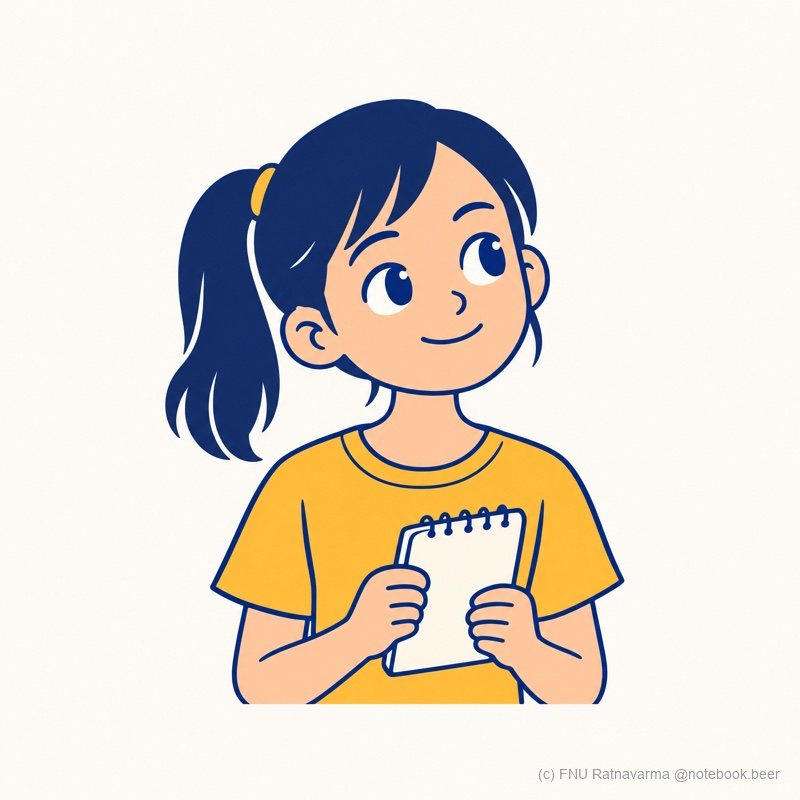
This atlas shows how a computer can keep a tiny copy of the world in its head. It guesses what happens next before it moves. Every page is told three ways. This telling is for you.
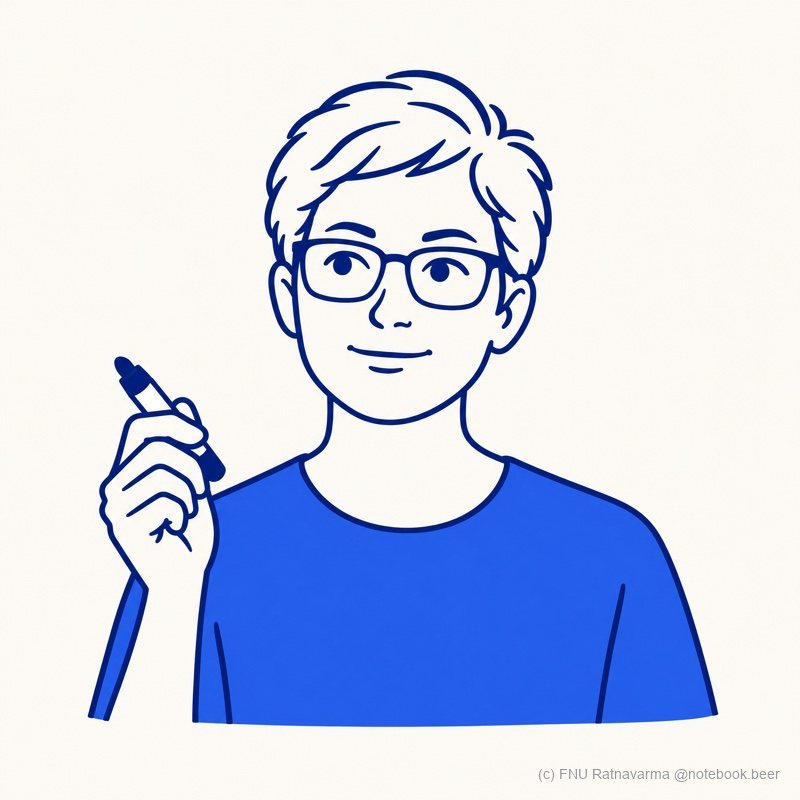
The Atlas explains how a machine builds a small copy of the world, predicts what comes next and plans with it. Every territory is told three ways. This telling covers the mechanism, the trade-offs and what to measure.
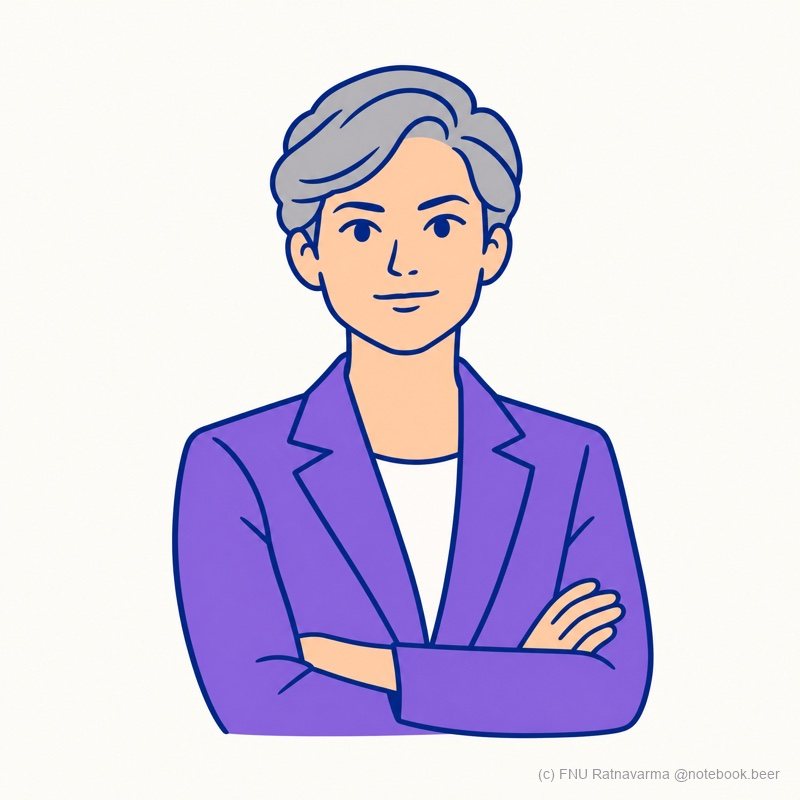
The Atlas explains how a machine builds a small copy of the world, predicts what comes next and plans with it. Every territory is told three ways. This telling covers the consequence, the risk and the money.
New here? Walk eight stops, in order
Who is reading?
The chart of the field · 6 provinces · 21 territories
Read it left to right, foundations to frontier.


TodayT-15Province IV · The Moving ImageThe Foundry5 min
Neural Physics & Learned Dynamics
Learning physical simulation from data: faster than solvers, but only as trustworthy as its physical priors.
Pour water from a cup into a bowl. Before it lands, you can guess where it will splash. You did not do any maths. You have just seen a lot of water.
Graph network simulators treat particles or mesh nodes as graph vertices. They learn message-passing updates for the interactions between them. Physics is local, so a learned local rule carries across sizes and shapes.
Learned simulators change what is affordable. The papers here report big speed-ups over the solvers they learned from. The range runs from 10 times to 1,000 times.
Dispatch29 October 2026
The Platonic Representation Theorem, explained three ways
A new proof says text and image models can learn one shared map of the world. The training pairs decide it. All dispatches
InteractiveDrift
Watch a world model forget the room
Walk through a room while a model imagines it frame by frame. Then switch on the fixes researchers use. Try Drift
Books
Books in progress.
-
 Technical book · sneak peek Agents with Foresight World Models for Reliable Action in Digital Enterprises An agent can say nothing wrong and still act on an account that no longer exists. This book asks when an agent needs a world model and when a fresh read is enough. Read the sneak peek on The Notebook
-
 Technical book · sneak peek The World Outside the Model Engineering AI Agents for State, Authority and Reliable Action The engineering that keeps an agent valid while the world changes under it. One incident runs through the book. A finance agent pays one invoice twice. Read the sneak peek on The Notebook
-
 Novel · sneak peek BURN A fire takes a foothill town. A father is blamed. In prison, a crew of broken men builds a model of fire by hand. Read the sneak peek on The Notebook
Courses
Go deeper, one deck at a time.
-
7 lessons
Joint embedding world models, from the ground up
I wrote this course to show how a model can predict the world without drawing it. Each lesson starts with a plain picture. It ends with the mechanism, the evidence and a decision from the grid.
-
6 decks
Context engineering
6 mission decks on what a model sees and when. Prompt caching, retrieval, memory, tool design and agents that run for hours.
About this atlas
Why an atlas, and not a textbook.
The field of learned world models moves fast and cites itself in shorthand. JEPA, MPC and the ELBO can gatekeep as much as they clarify. This atlas charts the territory: what each idea is, how it sits next to its neighbours and why it matters to three very different readers at once.
Email course
One territory a day, by email
Pick a reader and get the next territory in your inbox each morning.